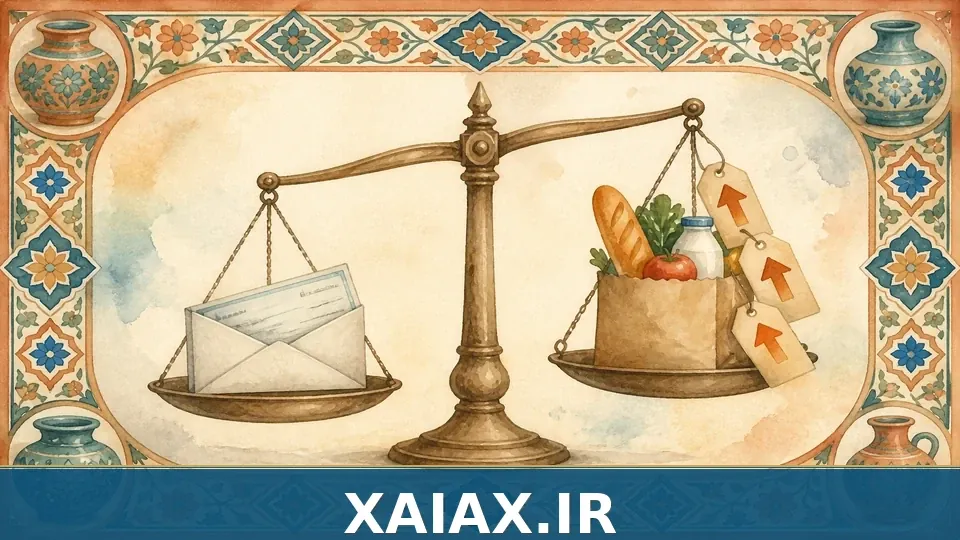
"My salary went up 20%." Good news — until you see how much prices have risen. Sometimes a raise only offsets inflation, not real progress.
The right question is: what is your purchasing power? With the same salary, how much can you buy, and how much can you save?
The simple link between inflation and salary
If annual inflation is 40% and your salary rises 30%, you have actually fallen behind. If salary rises 50% and inflation is 40%, you have moved slightly ahead.
- Salary increase below inflation → purchasing power falls
- Salary increase close to inflation → you stay in place, but saving gets harder
- Salary increase above inflation → real room to save
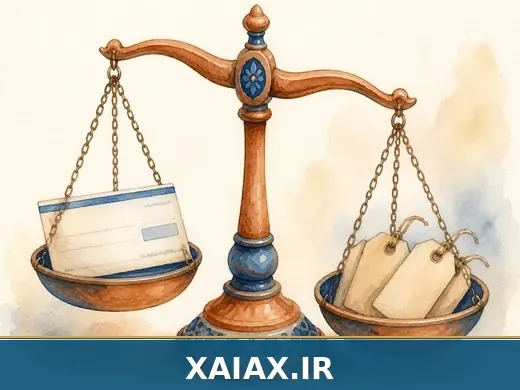
How do you measure purchasing power?
Instead of one national number, look at your own spending basket:
- A fixed monthly list: rent, food, transport, installments
- Compare that list with costs twelve months ago
- See how much income has risen; the gap is your real pressure or relief
What can you control?
- If nothing is left, first check your savings rate
- Take a three- to six-month emergency fund seriously
- Align part of your portfolio with inflation; e.g., gold in an Iran portfolio mix
- Do not put short-term money in a volatile market; time horizon matters
Salary and inflation do not match unless you know what you buy and how much you keep.
Bottom line
Measure salary and inflation together. Take the financial health checkup once and see which pillar is under the most pressure.