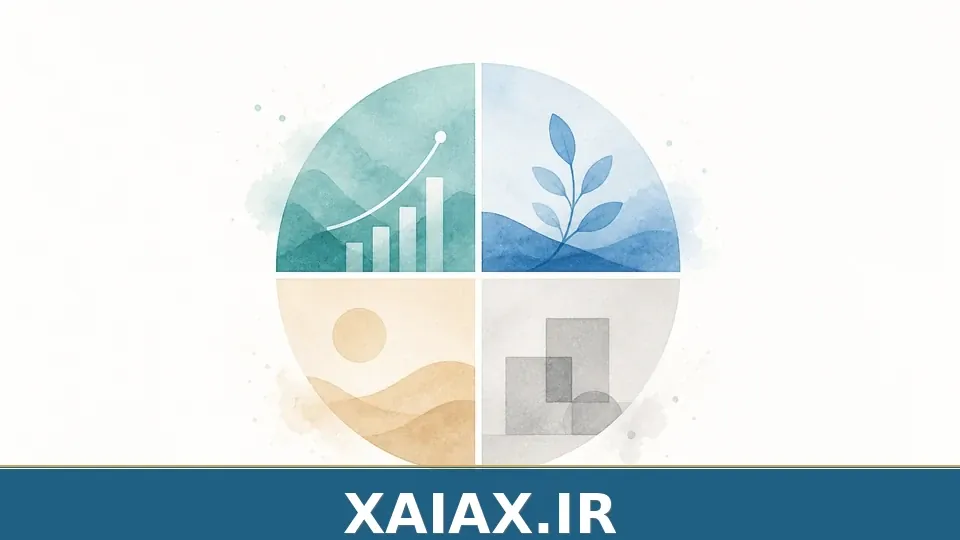
"Diversify your portfolio." You've heard it often — on Instagram, from friends, or in gold-versus-stock debates. The real question: what does diversifying actually mean?
Diversification means not putting all your money on one bet. If one part of the market performs poorly, your whole financial life doesn't collapse.
Why does it matter?
Markets don't move in lockstep. Someone with everything in one basket is betting on a single scenario. Diversification won't guarantee profit; it helps spread the impact of shocks.
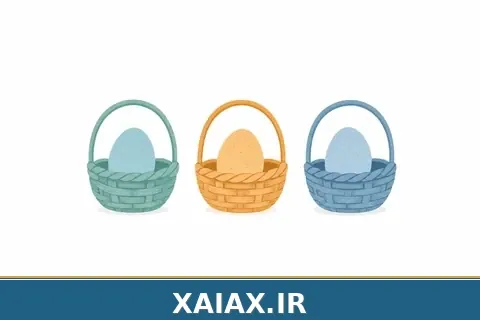
Real diversification isn't the same as 'buying a lot'
Five different stocks on the Iranian exchange is still one basket. First-level diversification means asset type; second level means less dependence on one headline.
Where to start in Iran?
- See where your money actually is — really is.
- Keep emergency reserves separate from investments — why and how much.
- With new money, lean toward underweight areas.
- After one asset surges, check its share of the whole.
How much in each basket?
There's no fixed formula for everyone. Your time horizon sets how much volatility you can take: long horizon means more tolerance; short horizon means calmer assets.
Diversification without knowing "when I'll need this money" is a map with no destination.
Summary
Diversification is a simple habit: know where money sits, don't put everything in one basket, and review the full picture now and then. If you're not sure where to start, read signs of an unbalanced portfolio.
First know each market's percentage — a free checkup is a good starting point.