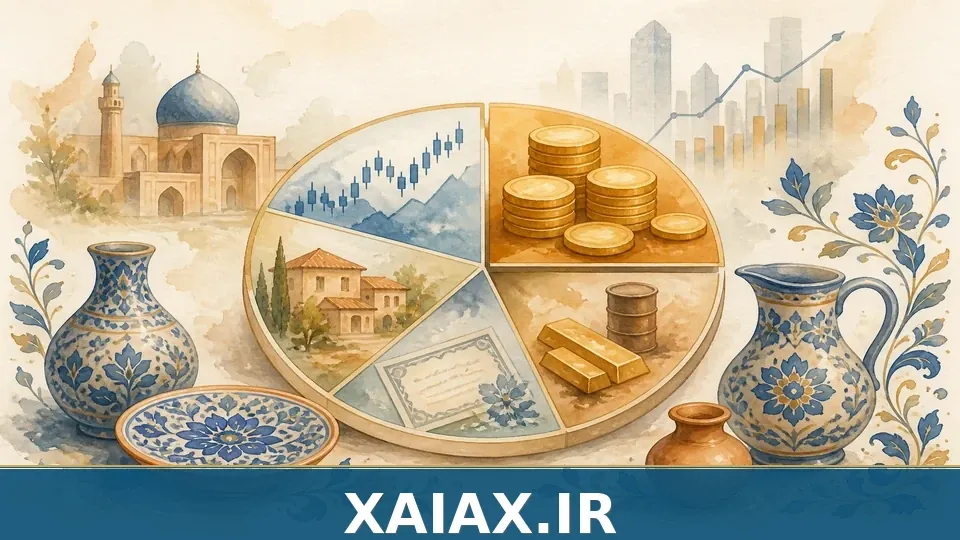
"What percentage of gold should I hold?" may be the most repeated question in financial groups. The short answer: there is no one number for everyone. It depends on horizon, income, debt, and the rest of your portfolio.
Gold has a special role in Iran: inflation hedge, liquidity, culture. But if it is the only holding or too large a share, the portfolio runs into trouble.
What does gold do in a portfolio?
- Relative preservation of value against inflation, not guaranteed profit
- Relatively easy liquidity
- Diversification; less dependence on one market
Gold is not a substitute for long-term stock growth, and it is not an emergency fund. For reserves, an accessible deposit makes more sense.
Common ranges
In an Iran portfolio mix, this framework is often discussed:
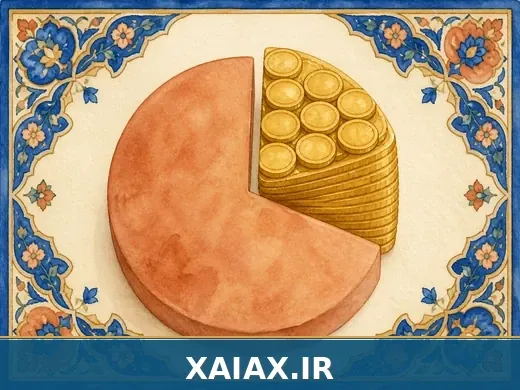
- 10 to 30%: a starting range for many households
- Above 50%: heavy concentration and unbalanced risk
- Zero: acceptable for some, if the rest of the portfolio provides coverage
What changes the percentage?
- Time horizon: need the money in six months? Read about horizon.
- Volatility tolerance: gold moves too, just differently from stocks.
- Rest of the portfolio: if you already hold 40% in stocks, 40% gold usually breaks diversification.
- Financial health: without saving and reserves, gold percentage is not the priority.
The right gold percentage is the one that fits your whole portfolio and lets you sleep at night — not a number from a Telegram group.
Bottom line
See the whole portfolio first, then adjust gold's share. If you do not know your current percentage, portfolio analysis beats guessing.