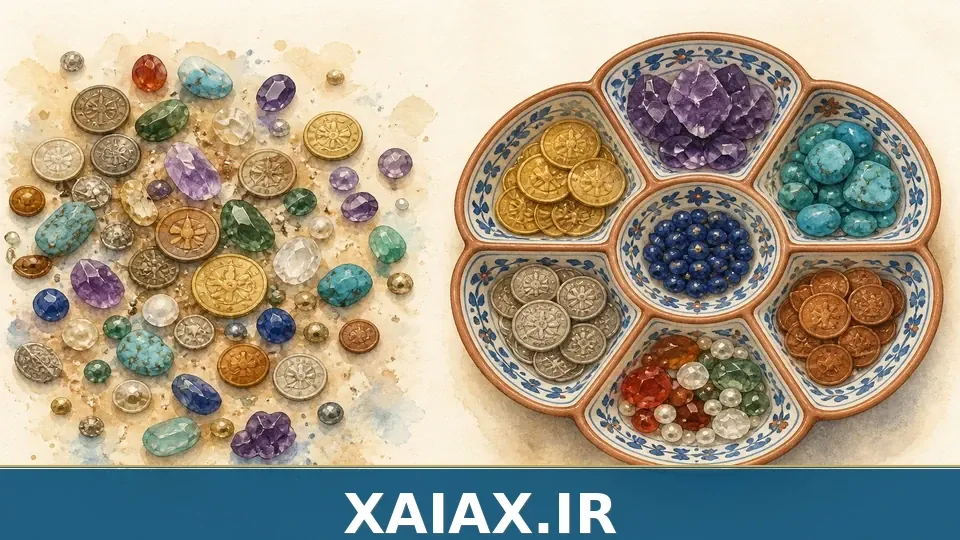
"I have assets: gold, deposits, a few stocks." True. But owning assets is not the same as having a portfolio.
A portfolio means knowing each section's percentage, what risk they create together, and whether they match your short- or long-term goals.
What does owning assets mean?
Anything of value that belongs to you: cash, deposits, gold, stocks, property. You can buy one without thinking about the rest. That is fine — until you want to manage it.
In that case, each purchase is usually decided separately, you do not know the overall percentages, and you may unknowingly have 80% of your money in one market.
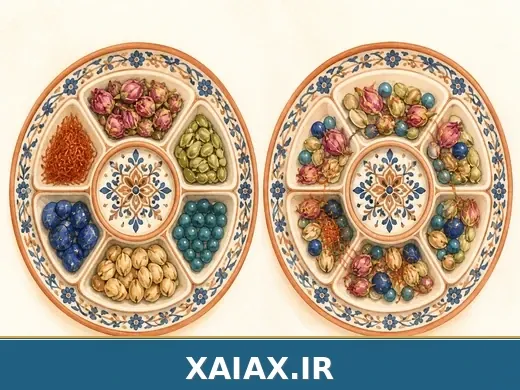
What does having a portfolio mean?
Here the focus is on composition:
- Each category's percentage of the total
- How sections relate; e.g., gold and inflation, stocks and the long horizon
- Real diversification, not just several separate assets
- Alignment with when you need the money
When you have a portfolio, the question "what should I buy now?" becomes "does this purchase improve the mix or not?"
You still do not have a portfolio if...
- You say "I roughly know how much gold I have"
- You bought a stock only because a friend recommended it
- You count your emergency fund as part of the same investment deposit
- Every time extra money arrives, you put it somewhere without a plan
The fix is simple: see everything in one place, then analyze the portfolio.
Assets are a collection of pieces; a portfolio is the map that shows what those pieces mean together.
Three steps from assets to portfolio
- A complete list of assets and debts
- Calculate each section's percentage
- Compare with a sensible mix and financial health
Bottom line
Owning assets is a good start. Having a portfolio means deliberately managing the mix. That is the difference between "having money" and "having a financial plan."